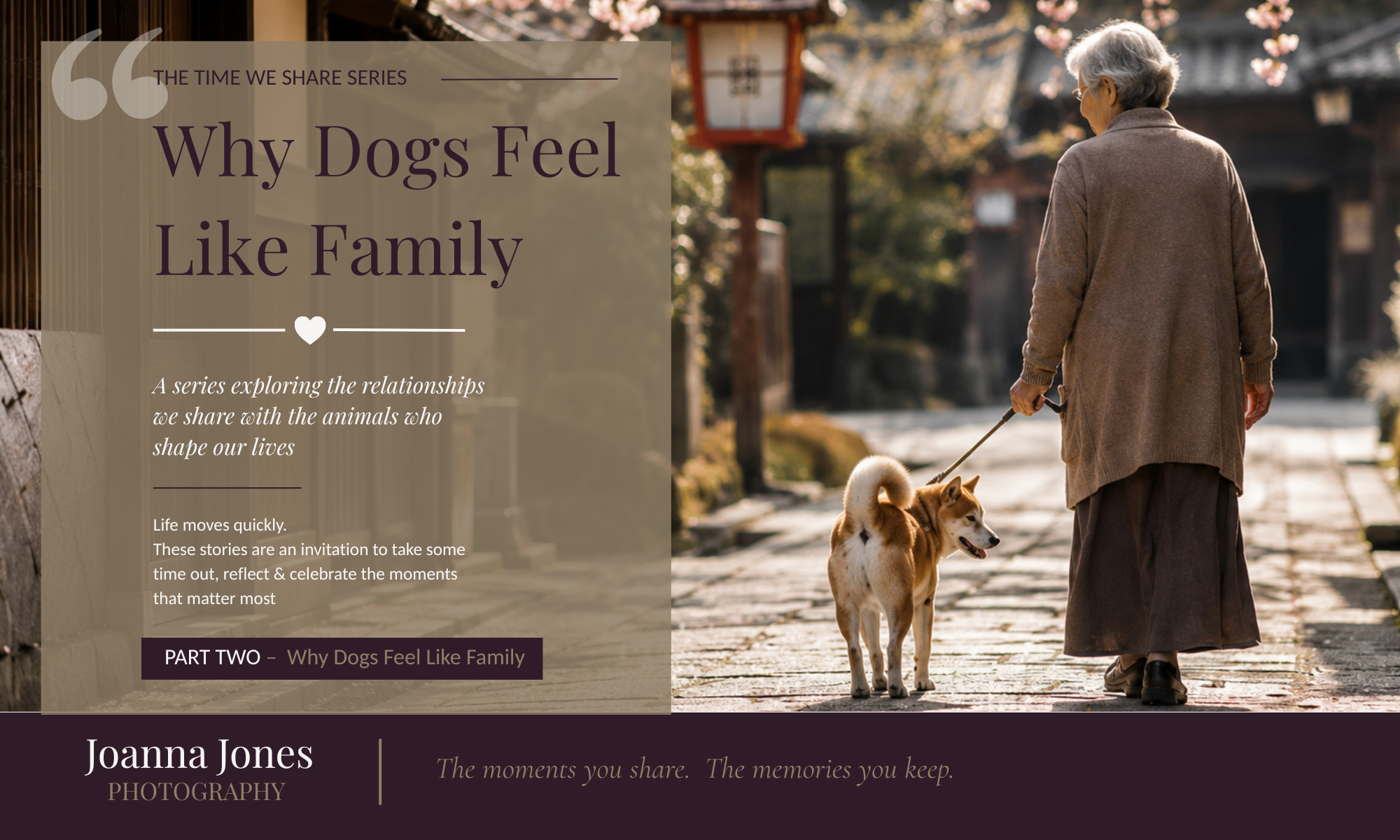
Many of us realise something that might have seemed slightly ridiculous years ago.
Our dog isn’t just a pet.
They’re family.
Not in the casual way people sometimes use the phrase, but in the genuine sense of the word. They become woven into the rhythm of everyday life. Their routines shape our routines. Their presence becomes part of what makes a house feel like home.
We celebrate their birthdays.
We worry when they’re unwell.
We rearrange our plans around them.
And when we imagine losing them, it can feel almost impossible to comprehend.
Yet despite how common these feelings are, many people still quietly wonder whether it’s normal to feel such a deep attachment to an animal.
As it turns out, science suggests it is.
And perhaps Japan offers an interesting perspective on why.
The Science Behind Why Dogs Feel Like Family
Most of us know instinctively that spending time with our dogs makes us feel good.
What’s far more interesting is how researchers discovered that the bond between humans and dogs may be unlike our relationship with any other animal.
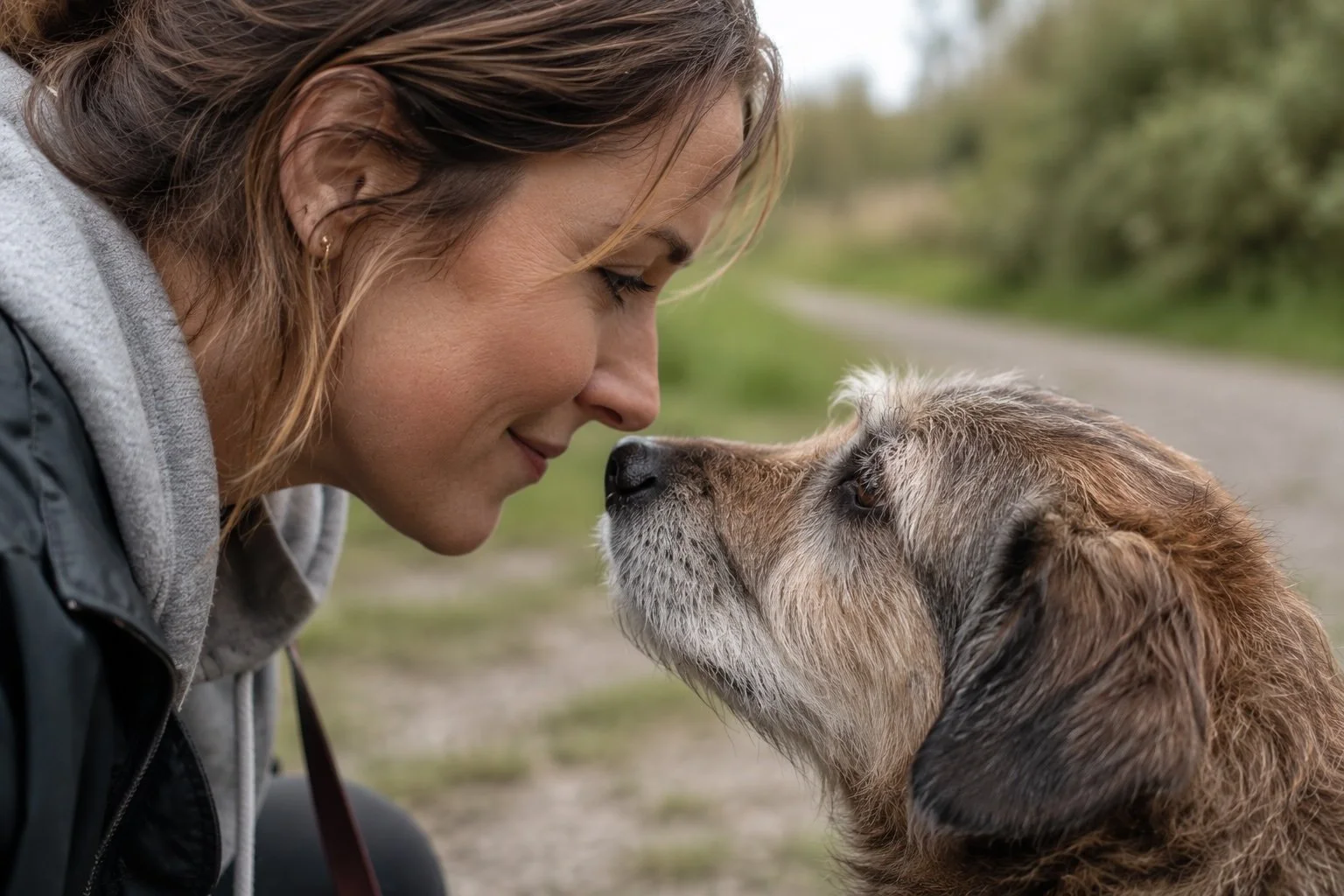
In a study led by Japanese researcher Miho Nagasawa, scientists wanted to understand why dogs and humans form such unusually strong emotional connections.
Owners were asked to spend time interacting naturally with their dogs while researchers measured oxytocin levels before and after the interaction.
What surprised them wasn’t the effect of touch or affection.
It was eye contact!
Dogs who spent longer gazing at their owners triggered significantly greater increases in oxytocin levels in the humans. The owners then became more affectionate towards their dogs, which increased oxytocin levels in the dogs themselves.
Researchers described this as an “oxytocin-gaze positive loop.”
But perhaps the most fascinating part came next.
The experiment was repeated with hand-raised wolves that had lived closely with humans.
The same response wasn’t observed.
The wolves did not engage in the prolonged mutual gaze seen in dogs, and the biological feedback loop didn’t occur in the same way.
This led researchers to suggest that during thousands of years of domestication, dogs may have evolved a unique way of communicating with humans. Through eye contact, they appear able to activate some of the same biological systems involved in close family bonds.
Perhaps that’s why a dog looking at us can feel so meaningful.
We often assume they’re waiting for food, asking for a walk or hoping for a treat.
But the research suggests something deeper may also be happening.
Dogs aren’t simply sharing our homes.
They may have evolved to share our social world too.
What Happens When We Truly See Dogs As Family?
If dogs genuinely occupy a place in our hearts similar to family members, it raises an interesting question.
How should we treat them as they grow older?
This is where Japan offers a fascinating perspective.
Recent reports suggest there are now more pet dogs and cats in Japan than there are children. As the country’s population ages, companion animals have become increasingly important sources of companionship, comfort and routine for millions of people.
As a result, many Japanese owners are approaching their relationships with dogs differently.

Walk through parts of Tokyo and you’ll find specialist services dedicated to helping senior dogs enjoy a better quality of life. There are mobility aids, rehabilitation centres, physiotherapy services and businesses focused entirely on supporting ageing pets.
What struck me wasn’t the products themselves.
It was the mindset behind them.
Rather than seeing ageing as something to fear, there seems to be a greater emphasis on adapting life around older dogs so they can continue participating in family life for as long as possible.
The focus shifts from what a dog can no longer do to what they can still enjoy.
A slower walk.
A favourite park.
A comfortable journey in a stroller.
A familiar routine shared with the people they love.
Perhaps there is something quite beautiful in that approach.
Maybe That’s Why It Hurts So Much
The reality is that relationships with dogs are unlike almost any other relationship we experience.
They share our daily routines.
They witness the ordinary moments nobody else sees.
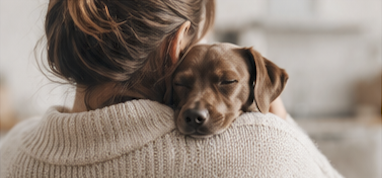
The quiet mornings.
The difficult days.
The walks we take when life feels overwhelming.
Research has found that many owners describe their relationship with their dog as being as emotionally satisfying as some of their closest human relationships.
Perhaps that’s why the thought of losing them feels so profound.
It isn’t “just a dog.”
It’s the loss of a relationship, a routine, a presence and a chapter of life.
What We Can Learn From This
Maybe we don’t need to wait until our dogs become elderly to appreciate what they bring to our lives.
Perhaps we don’t need a special occasion either.
Most of the moments we eventually treasure aren’t extraordinary.

They’re the muddy walks.
The familiar pawprints across the kitchen floor.
The dog asleep beside us while we answer emails.
The excited greeting when we come home, even if we’ve only been gone twenty minutes.
When we look back, these ordinary moments often become the memories we miss the most.
Not because they were remarkable at the time.
But because they quietly became part of who we were.
A Thought To Take On Your Next Walk
The next time you’re out with your dog, try leaving your phone in your pocket for a few minutes.
Watch how they explore the world.
Notice the things that make them pause.
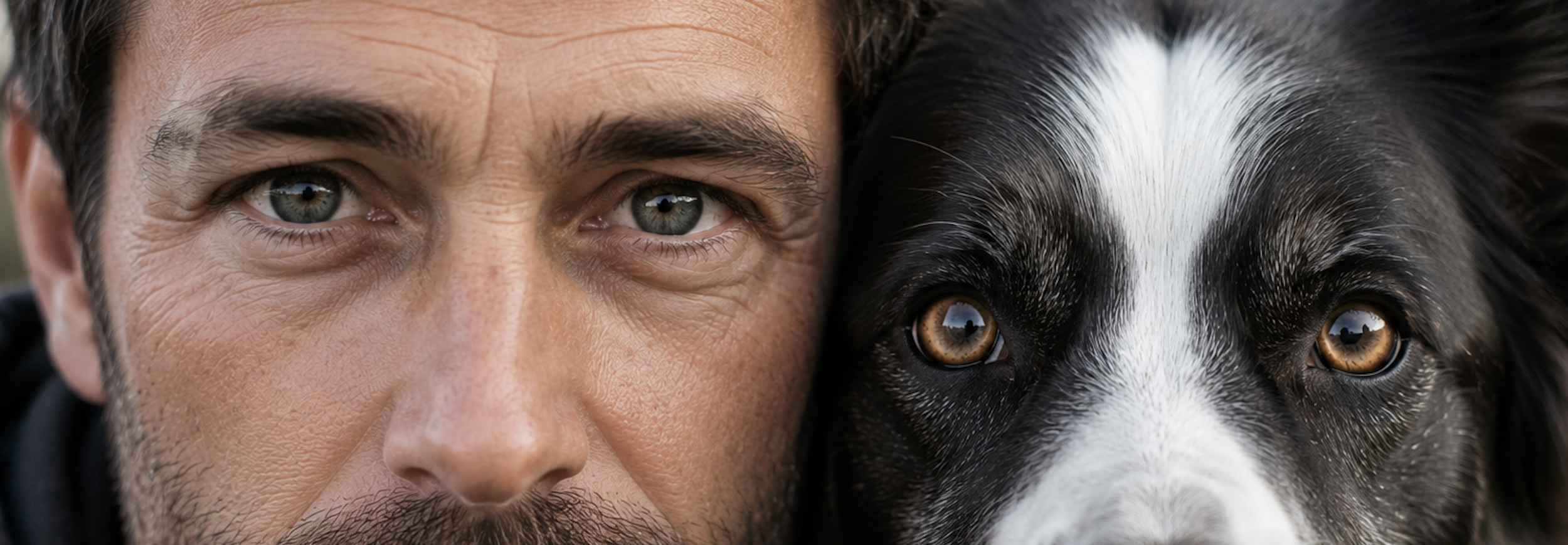
The sounds they hear before you do.
The scents they find fascinating.
The joy they seem to find in places they’ve already visited a hundred times before.
Because perhaps one of the greatest lessons dogs teach us is this:
Life isn’t made up of the big moments.
It’s made up of thousands of ordinary ones.
And those ordinary moments are often the things that matter most in the end.
About Me
I am a pet photographer based in Chichester, West Sussex. I’m endlessly fascinated by the relationships we share with our pets. Through this blog series, I explore the science, psychology and stories behind those connections, and why the ordinary moments we share often become the memories we treasure most.
My photography is about more than creating beautiful portraits. It’s about celebrating the bonds, personalities and relationships that make our pets such an important part of our lives.
If this article has resonated with you and you’d like to learn more about my photography experiences, click below to discover how I help people celebrate the relationships, memories and moments they share with their pets.